


Please Leave Us A Message
Privacy statement: Your privacy is very important to Us. Our company promises not to disclose your personal information to any external company with out your explicit permission.


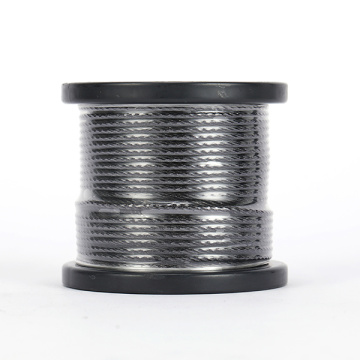


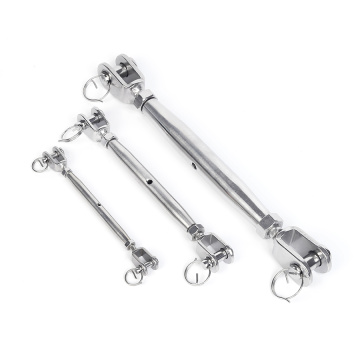


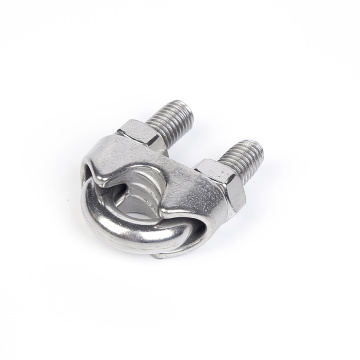
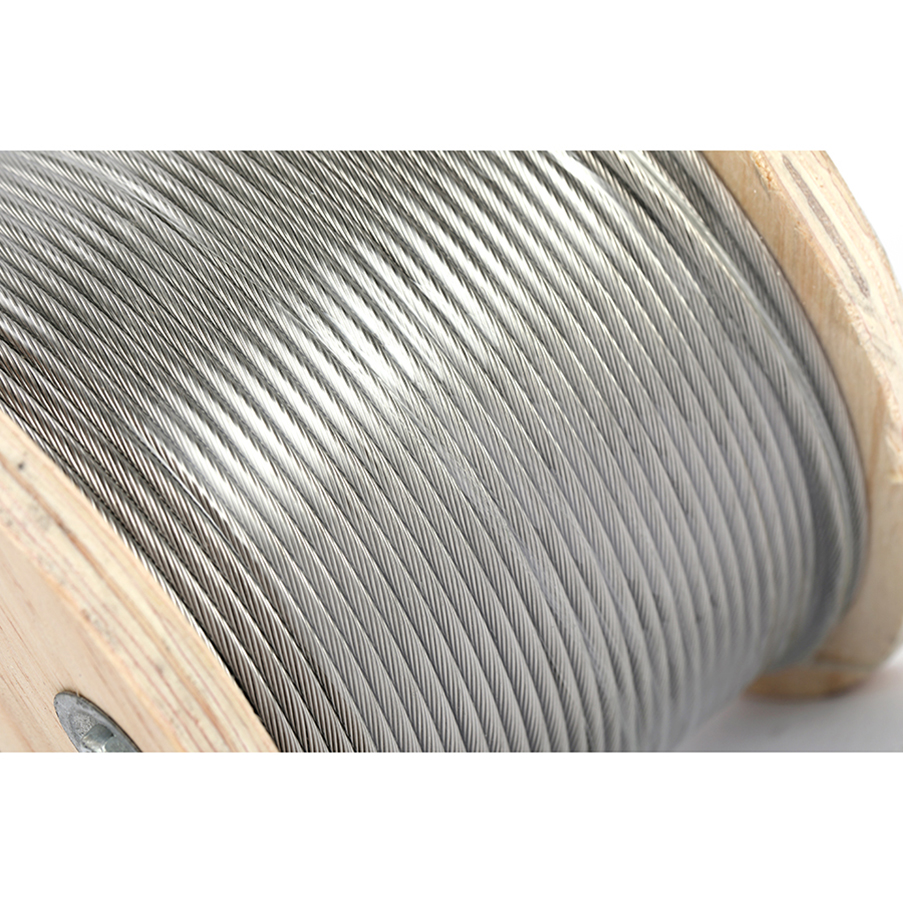
Stainless steel rope is a high-performance flexible cable constructed from multiple strands of stainless steel wire, engineered to deliver exceptional tensile strength, corrosion resistance, and fatigue endurance in demanding environments. Unlike standard carbon steel wire rope, stainless steel variants—primarily grades 304, 316, and 316L—maintain structural integrity in harsh chemical, marine, and high-temperature applications without requiring protective coatings that can degrade over time.
For procurement professionals, understanding the distinction between construction types (such as 1x7, 7x7, 7x19, and 7x36) is critical. Each configuration offers a different balance of flexibility, abrasion resistance, and load capacity. For instance, a 1x7 strand provides maximum rigidity and tensile strength for tensioning applications, while a 7x19 or 7x36 multi-strand rope offers superior flexibility for routing through pulleys and sheaves. Chenglu Stainless Steel Products Co., Ltd. manufactures these ropes to international standards, ensuring consistent performance across batches and reducing the risk of supply chain disruptions caused by quality inconsistencies.
The versatility of stainless steel rope makes it indispensable across industries including food processing, pharmaceuticals, chemical handling, brewing, construction, and marine engineering. Its non-reactive surface prevents contamination of sensitive products, while its durability reduces replacement frequency and total cost of ownership. By sourcing from a verified manufacturer with advanced production equipment and testing instruments, buyers can streamline their procurement workflow and mitigate risks associated with substandard materials.
Chenglu Stainless Steel Products Co., Ltd. operates from its facility in Xinghua City, Jiangsu Province, equipped with advanced production equipment and precision testing instruments. This infrastructure enables the company to maintain tight tolerances on diameter, tensile strength, and twist consistency across all stainless steel wire rope orders.
Every batch undergoes rigorous quality control protocols to ensure compliance with international standards. The experienced technical team continuously optimizes product structure and manufacturing processes, resulting in stainless steel rope that delivers reliable performance in critical applications. From raw material inspection to final packaging, each stage is monitored to guarantee traceability and consistency.
Buyer benefit: Consistent manufacturing quality means fewer rejects, reduced inspection costs, and confidence that every shipment meets your specifications—eliminating the risk of production delays caused by out-of-spec materials.
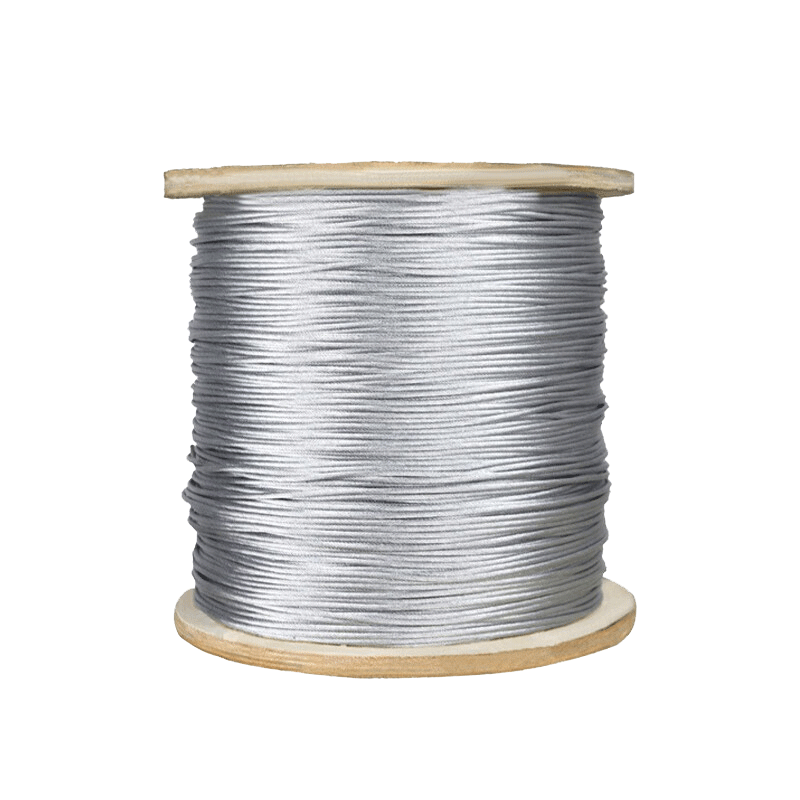
Selecting the correct stainless steel rope configuration requires evaluating three primary factors: the operating environment, mechanical loads, and flexibility requirements. The grade of stainless steel determines corrosion resistance, while the strand construction dictates how the rope behaves under tension, bending, and abrasion.
Grade Selection: Grade 304 stainless steel offers excellent general-purpose corrosion resistance and is suitable for most indoor and moderate outdoor environments. Grade 316 and 316L provide superior resistance to chlorides and acidic environments, making them ideal for marine, chemical processing, and coastal applications where exposure to salt or aggressive chemicals is expected.
Construction Types: A 1x7 construction consists of seven wires helically laid around a central core, providing high tensile strength with minimal stretch—ideal for tensioning, guardrails, and structural support. A 7x7 construction offers moderate flexibility and good abrasion resistance for medium-duty applications. A 7x19 construction delivers higher flexibility for applications involving pulleys, winches, and rigging systems. A 7x36 construction provides maximum flexibility for complex routing and dynamic load applications.
Diameter and Length: Proper sizing ensures the rope can handle your required working load limit with an appropriate safety factor. Chenglu's technical team can assist in recommending optimal specifications based on your application parameters, helping you avoid over-engineering (which increases cost) or under-specification (which risks failure).
Buyer benefit: Working with a supplier that provides expert guidance on rope selection reduces the risk of costly misselection, extends service life, and ensures your stainless steel rope performs reliably throughout its intended lifespan.
Use this checklist to evaluate potential suppliers and ensure your stainless steel rope procurement meets all technical, quality, and commercial requirements before placing orders.
Confirm the supplier provides certified mill test reports verifying the exact stainless steel grade (304, 316, 316L) for every batch delivered.
Ensure minimum breaking force values are documented and meet or exceed industry standards for the specified rope diameter and construction.
Verify the manufacturer has sufficient production capacity to fulfill your order volume within your required lead time without compromising quality.
Review the supplier's quality management procedures, including incoming material inspection, in-process testing, and final product verification.
Confirm the supplier can produce custom diameters, lengths, constructions, and end fittings tailored to your specific application requirements.
Evaluate packaging methods to ensure stainless steel rope arrives undamaged, protected from moisture, and ready for immediate deployment.
When evaluating stainless steel rope manufacturers, prioritize suppliers who demonstrate technical expertise, manufacturing capability, and a commitment to quality. Chenglu Stainless Steel Products Co., Ltd. exemplifies these qualities through its integrated approach to research, development, production, and customer service.
Chenglu maintains an experienced technical team dedicated to continuous product optimization and innovation. Their commitment to increasing R&D investment ensures that customers benefit from the latest advancements in stainless steel rope technology, including improved wire drawing processes, optimized strand configurations, and enhanced surface treatments.
Beyond stainless steel wire rope, Chenglu manufactures stainless steel wire, chains, welding wire, and rigging components. This broad product portfolio allows buyers to consolidate multiple supply chains into a single trusted vendor, simplifying procurement workflows and reducing administrative overhead.
Chenglu's corporate spirit of "integrity-based, innovation-based" translates into responsive customer service, transparent communication, and reliable delivery performance. Their customer-centric approach ensures that procurement teams receive timely support, accurate order tracking, and proactive problem resolution throughout the purchasing process.
Products are manufactured to meet international quality and performance standards, supported by advanced testing instruments and systematic quality control procedures. This compliance reduces regulatory risk and ensures compatibility with global project specifications and certification requirements.
Procurement professionals frequently encounter challenges when sourcing stainless steel rope from unverified or inexperienced suppliers. Understanding these common pitfalls helps you implement preventive measures and select suppliers who can consistently deliver on your requirements.
The Problem: Some suppliers advertise 316 stainless steel but deliver lower-grade 304 material, leading to premature corrosion failure in demanding environments.
Solution: Require mill test certificates with every shipment, perform independent material verification testing upon receipt, and source only from manufacturers with proven track records and transparent quality documentation.
The Problem: Inconsistent rope diameter or uneven strand lay can cause improper fitting engagement, accelerated wear, and unpredictable load distribution across the rope assembly.
Solution: Specify dimensional tolerances in purchase orders, require pre-shipment inspection reports with measured data, and partner with manufacturers who use precision-controlled production equipment like Chenglu's advanced facilities.
The Problem: Underperforming tensile strength leads to rope elongation, snap failures, or unexpected downtime in critical tensioning and lifting applications.
Solution: Verify minimum breaking force values against published standards for the selected construction and diameter. Request third-party testing reports and conduct random sampling tests on incoming shipments.
The Problem: Rough surfaces, scratches, or wire breaks during manufacturing create stress concentration points that initiate fatigue cracks and reduce overall service life.
Solution: Inspect sample lengths for surface quality before committing to large orders. Establish clear acceptance criteria for surface finish and defect tolerance in your supplier quality agreements.
The Problem: Suppliers unable to meet promised delivery dates disrupt production schedules, cause project delays, and increase inventory carrying costs.
Solution: Evaluate supplier production capacity, current order backlog, and logistics capabilities before contracting. Choose manufacturers with proven ability to scale production and maintain consistent delivery performance.
Grade 304 stainless steel offers excellent general-purpose corrosion resistance and is suitable for most indoor, atmospheric, and moderately corrosive environments. Grade 316 and 316L contain molybdenum, which significantly enhances resistance to chlorides, acids, and marine environments. If your application involves exposure to saltwater, chemical processing, coastal conditions, or aggressive cleaning agents, 316 stainless steel wire rope is the recommended choice to prevent premature corrosion and extend service life.
The construction type determines the balance between tensile strength and flexibility. A 1x7 construction provides maximum tensile strength with minimal stretch, ideal for tensioning, guardrails, and structural support where flexibility is not required. A 7x7 construction offers moderate flexibility and good abrasion resistance for medium-duty applications. A 7x19 construction delivers higher flexibility for use with pulleys, winches, and rigging systems. A 7x36 construction provides maximum flexibility for complex routing and dynamic load applications. Consult with your supplier's technical team to match the construction type to your specific mechanical and routing requirements.
Request mill test certificates (MTC) that verify the chemical composition and mechanical properties of the stainless steel used. These documents should confirm the exact grade (304, 316, 316L), tensile strength values, yield strength, elongation percentage, and diameter tolerances. Additionally, ask for third-party testing reports if your project requires independent verification. Reputable manufacturers like Chenglu Stainless Steel Products Co., Ltd. provide comprehensive documentation with every shipment to support your quality assurance processes.
Yes, most established manufacturers offer customization services for stainless steel wire rope, including custom diameters, lengths, constructions, and end fittings such as swaged sleeves, eye splices, thimbles, and clamps. Customization ensures the rope arrives ready for immediate installation, reducing on-site labor and minimizing the risk of improper termination. When requesting custom orders, provide detailed specifications including diameter, construction type, length, required end fittings, and any special environmental or performance requirements.
Standard stainless steel wire rope in common sizes and constructions typically ships within 7-15 business days from order confirmation, depending on stock availability. Custom orders may require 15-30 business days for production, depending on complexity, quantity, and current production schedule. Manufacturers with robust production capacity and efficient logistics networks, such as Chenglu, can often accommodate expedited orders and maintain consistent delivery performance even during peak demand periods.
Store stainless steel wire rope in a dry, clean environment away from direct contact with carbon steel materials to prevent cross-contamination and rust staining. Keep rolls on pallets or racks rather than directly on the floor. Avoid dropping, dragging, or kinking the rope during handling, as these actions can damage individual wires and compromise structural integrity. Proper packaging from reputable manufacturers protects against moisture and physical damage during transit, but additional care during storage and handling further ensures optimal performance upon installation.
Privacy statement: Your privacy is very important to Us. Our company promises not to disclose your personal information to any external company with out your explicit permission.
Fill in more information so that we can get in touch with you faster
Privacy statement: Your privacy is very important to Us. Our company promises not to disclose your personal information to any external company with out your explicit permission.