


Please Leave Us A Message
Privacy statement: Your privacy is very important to Us. Our company promises not to disclose your personal information to any external company with out your explicit permission.


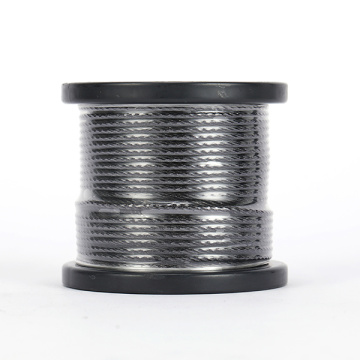


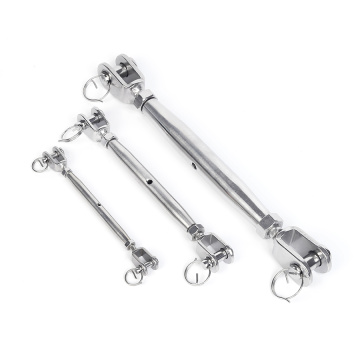


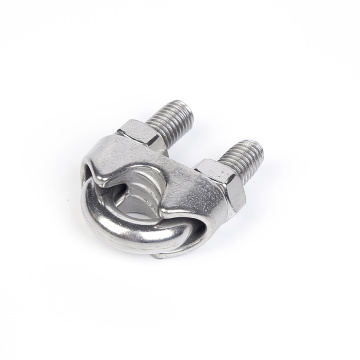

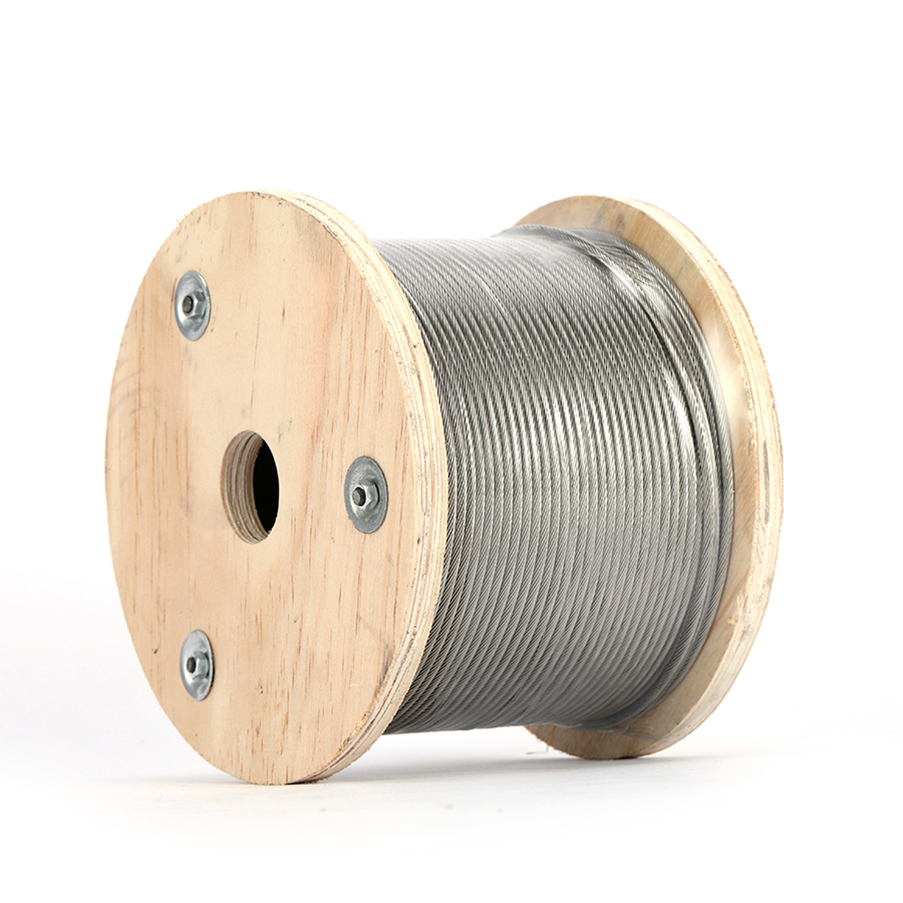
Stainless steel cable is a high-performance wire rope constructed from multiple strands of stainless steel wires twisted around a core. Unlike standard carbon steel cables, these are engineered with corrosion-resistant alloys—typically 304 or 316 grade—to withstand harsh environments without rusting or degrading.
For procurement managers, the primary value of choosing stainless steel cable lies in its longevity and low maintenance requirements. Whether you are sourcing for architectural rigging, marine applications, or industrial machinery, this material ensures structural integrity over decades of use, significantly reducing total cost of ownership compared to non-corrosive alternatives.
Located in Xinghua City, Jiangsu Province, Chenglu Stainless Steel Products Co., Ltd. utilizes advanced production equipment and rigorous testing instruments to ensure every meter of cable meets international standards.
Our experienced technical team continuously optimizes our product structure and manufacturing processes. This commitment to quality assurance means that bulk orders receive consistent tensile strength and surface finish, eliminating the risk of batch inconsistencies that can disrupt your supply chain.
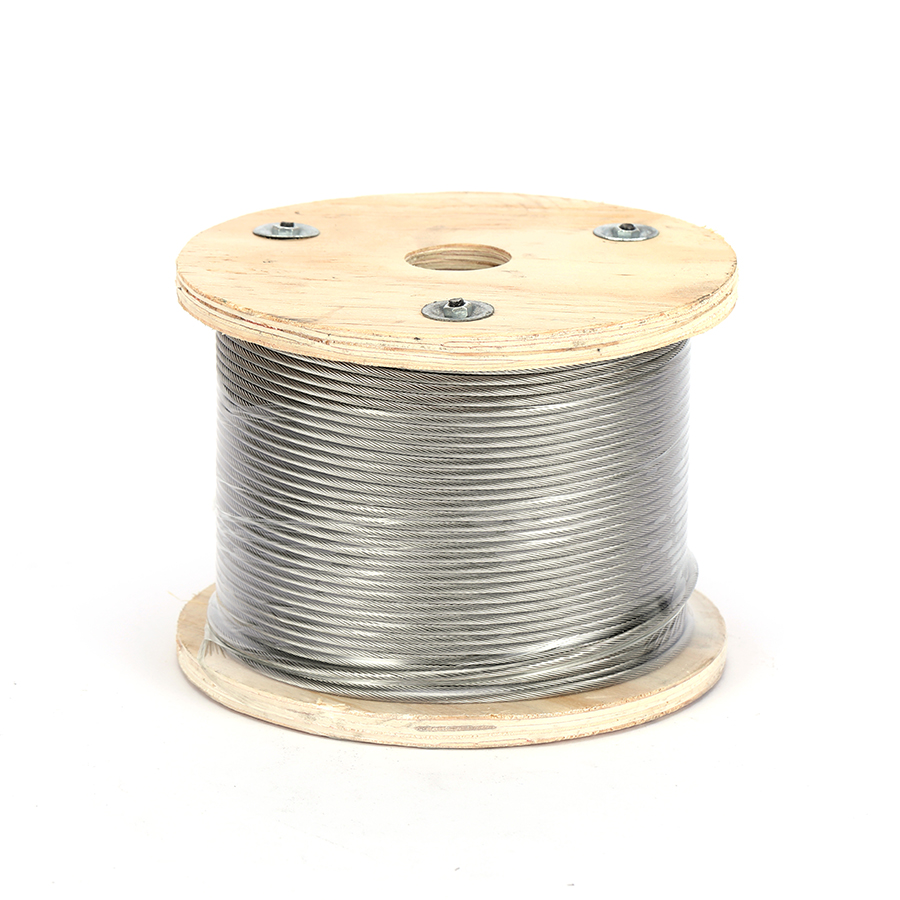
Selecting the correct specification is critical for safety and performance. Buyers should consider three main factors:
Use this checklist when evaluating suppliers and specifications to mitigate procurement risks and ensure compliance.
Ensure the supplier provides mill test certificates confirming the exact alloy composition (e.g., 304 vs 316). Verify that the outer diameter tolerance falls within industry standards to ensure compatibility with your fittings.
Inspect for smooth, uniform surfaces free from scratches, burrs, or kinks. A high-quality finish not only improves aesthetics but also reduces friction wear at contact points, extending the service life of your installation.
Confirm the manufacturer has experience in your specific industry (e.g., food processing, construction). Check their production capacity to ensure they can meet your volume requirements and lead times without compromising quality.
Due to their durability and resistance to environmental factors, stainless steel cables are versatile components used across various sectors.
Used extensively in modern architectural designs for glass railings, balcony cables, and tensioned structures where both strength and a sleek, minimalist aesthetic are required.
Essential for boat rigging, sailboat stays, and offshore platform safety lines. The corrosion resistance of 316 stainless steel makes it ideal for constant saltwater exposure.
Ideal for conveyor systems and hanging racks in hygienic environments. The non-porous surface prevents bacterial growth and allows for easy cleaning with harsh sanitizers.
Employed in winches, hoists, and control cable routing within heavy machinery. Provides reliable power transmission and mechanical support under high stress conditions.
Anticipate these common issues when sourcing stainless steel cables to avoid delays and defects.
Risk: Cables that do not meet specified dimensions may not fit into your pre-existing fittings or clamps, leading to installation failures.
Solution: Request pre-production samples for dimensional verification. Specify tight tolerances in your purchase agreement and require inspection reports before shipment.
Risk: Using lower-grade steel (e.g., 201 instead of 304) in corrosive environments leads to rust, which weakens the cable and creates safety hazards.
Solution: Always specify the correct grade for your environment. For coastal or chemical settings, insist on 316 grade. Reputable suppliers will provide material traceability documentation.
When selecting a partner for your stainless steel cable needs, consider the following advantages of working with an established manufacturer like Chenglu.
Chenglu focuses on research, development, production, and sales. This integrated approach allows for faster turnaround times, customized solutions, and better quality control from raw material to finished product.
With years of experience serving industries like food processing, pharmaceuticals, and construction, Chenglu understands the specific demands of different sectors and delivers products that meet those unique challenges.
The company adheres to a corporate spirit of "integrity-based, innovation-based." This translates to transparent pricing, honest communication about lead times, and reliable delivery schedules that help you manage your own projects effectively.
304 stainless steel is suitable for most general-purpose applications and indoor environments. 316 stainless steel contains molybdenum, which provides superior resistance to chlorides and acids, making it the preferred choice for marine, coastal, or chemical plant environments.
Yes, manufacturers typically offer cutting services to meet your exact length requirements. This helps reduce waste and ensures the cable fits your specific installation dimensions perfectly.
In appropriate environments, stainless steel cables can last for decades. However, the actual lifespan depends on factors such as exposure to corrosive elements, mechanical wear, and proper maintenance. Regular inspection is recommended for safety-critical applications.
Reputable suppliers, including Chenglu Stainless Steel Products Co., Ltd., should be able to provide material certifications and test reports verifying the chemical composition and mechanical properties of the stainless steel used.
Privacy statement: Your privacy is very important to Us. Our company promises not to disclose your personal information to any external company with out your explicit permission.
Fill in more information so that we can get in touch with you faster
Privacy statement: Your privacy is very important to Us. Our company promises not to disclose your personal information to any external company with out your explicit permission.