

Please Leave Us A Message
Privacy statement: Your privacy is very important to Us. Our company promises not to disclose your personal information to any external company with out your explicit permission.




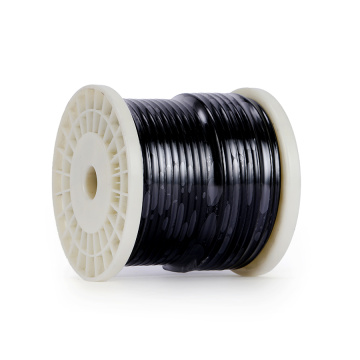


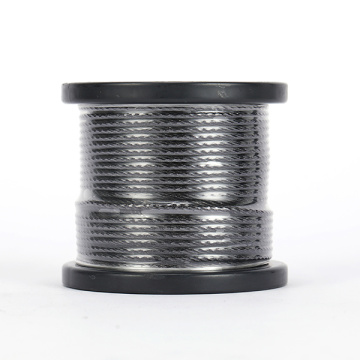
Coated cable is a specialized type of wire or rope where a protective layer—typically PVC, polyethylene, or nylon—is extruded over a metal core, usually stainless steel. This coating provides essential insulation, corrosion resistance, and mechanical protection against harsh environments.
For industrial buyers, coated cables offer a dual benefit: the tensile strength of stainless steel combined with the chemical and environmental resilience of polymer coatings. This makes them ideal for applications ranging from electrical wiring in construction to marine rigging and automotive harnesses.
Why it matters for your procurement: Choosing the right coated cable reduces long-term maintenance costs by preventing rust and wear, ensuring safer installations in wet or corrosive conditions.
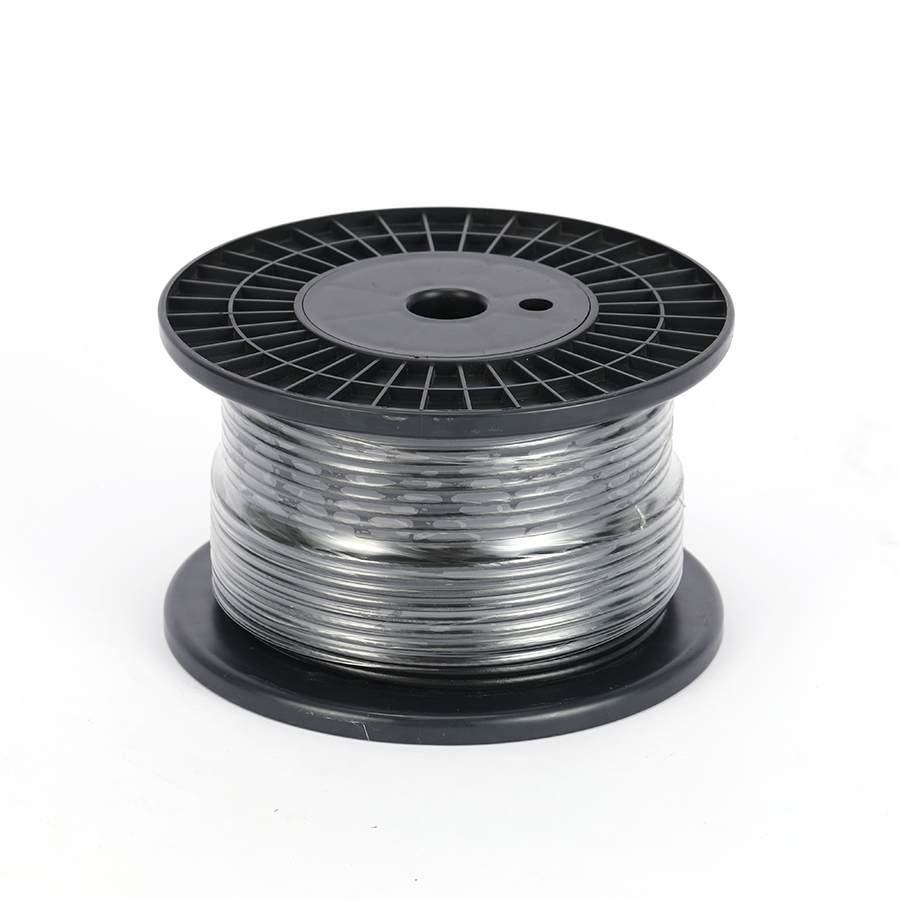
Our manufacturing process utilizes advanced extrusion lines that ensure uniform coating thickness around the stainless steel core. This precision prevents weak spots where corrosion could start, guaranteeing consistent performance across every meter of cable produced.
Each batch undergoes strict testing for adhesion, flexibility, and tensile strength. We verify that the coating bonds securely to the metal substrate, preventing delamination during installation or under load. This commitment to quality ensures you receive durable products that meet international safety standards.
Your benefit: Reliable manufacturing means fewer rejected shipments and consistent supply chain performance, allowing you to plan your projects with confidence.

Stainless steel grades (like 304 or 316) dictate corrosion resistance. For marine or chemical environments, 316 stainless steel offers superior protection against salt and acids compared to standard 304.
PVC is cost-effective and flexible, ideal for general-purpose wiring. Polyethylene (PE) offers better UV resistance for outdoor use. Nylon adds a hard, abrasion-resistant shell for heavy-duty industrial applications.
Always calculate the working load limit (WLL) and breaking strength. Ensure the coated cable’s tensile rating exceeds your maximum expected load, including a safety factor for dynamic stress.
Poor manufacturing can lead to thin spots in the polymer layer, exposing the steel to rust. Always request samples for physical inspection before bulk ordering.
If the coating peels off during bending or installation, the cable’s integrity is compromised. Ask suppliers about their adhesion testing methods (e.g., pull-off tests).
Some suppliers may substitute lower-grade steel (like 201) for 304/316. Use a magnet test or request third-party lab reports to verify the actual stainless steel grade.
Used for suspension cables, guy wires, and decorative railings where both strength and aesthetic appeal are required.
Saltwater environments demand high corrosion resistance. Coated stainless steel cables are standard for boat rigging and dock equipment.
The coating provides electrical insulation and protection against engine heat, oils, and road debris.
Protects control wires and sensor cables from abrasion and chemical spills in factory settings.
Choose suppliers who control both the steel drawing and coating extrusion processes. This vertical integration ensures tighter quality control and faster problem resolution compared to traders.
A good supplier offers engineering support to help you select the correct gauge and coating for your specific load and environmental needs, reducing the risk of specification errors.
Ensure the manufacturer adheres to international standards (such as ISO 9001) and can provide documentation required for customs clearance in your region.
Before committing to large volumes, order sample kits to test flexibility, coating durability, and color consistency in your own facilities.
PVC (Polyvinyl Chloride) is generally more flexible and cost-effective, making it suitable for indoor wiring and general-purpose use. PE (Polyethylene) offers superior resistance to UV radiation and moisture, making it the preferred choice for outdoor and marine applications where prolonged sun exposure occurs.
Standard PVC coatings typically degrade above 80°C (176°F). For high-temperature applications, consider silicone-coated cables or specialized high-temp polymers that can withstand temperatures up to 200°C or higher, depending on the specific formulation.
Ask for the specific grade (e.g., 304 vs. 316). Grade 316 contains molybdenum, which significantly enhances resistance to chlorides and saltwater. You can also request a salt spray test report from the manufacturer to verify long-term corrosion performance.
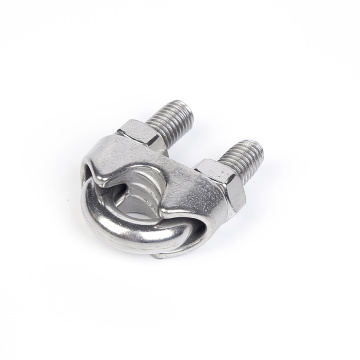
Common terminations include crimped ferrules, swaged eyes, and thimbles. Some manufacturers offer pre-attached stainless steel fittings that are compatible with the cable diameter, simplifying installation and ensuring a secure mechanical connection.
Yes, most manufacturers offer custom cutting services. This helps reduce waste on-site and ensures you receive exactly the length needed for your project. Specify tolerance requirements (e.g., ±5mm) when placing your order.
Privacy statement: Your privacy is very important to Us. Our company promises not to disclose your personal information to any external company with out your explicit permission.
Fill in more information so that we can get in touch with you faster
Privacy statement: Your privacy is very important to Us. Our company promises not to disclose your personal information to any external company with out your explicit permission.