


Please Leave Us A Message
Privacy statement: Your privacy is very important to Us. Our company promises not to disclose your personal information to any external company with out your explicit permission.


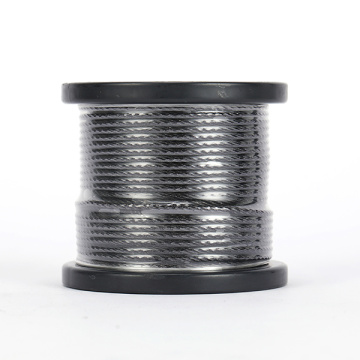


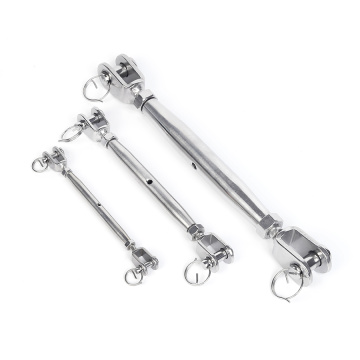


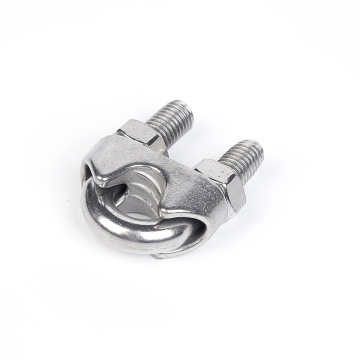
Annealed steel wire is a versatile industrial material produced through a controlled heat treatment process known as annealing. This process involves heating the steel to a specific temperature and then allowing it to cool slowly, which significantly alters its mechanical properties.
The primary benefit of annealing is that it reduces the hardness of the steel, making it much more ductile and easier to work with. For procurement managers, this means you can form, bend, or twist the wire into complex shapes without the risk of breakage or material failure.
Unlike hardened steel, which is brittle and strong, annealed steel prioritizes flexibility and toughness. It is widely used in applications where the final product needs to withstand physical stress, such as in fencing, binding, wire mesh fabrication, and general manufacturing assemblies.

At Chenglu Stainless Steel Products Co., Ltd., quality is not an afterthought—it is engineered into every step of the production cycle. Located in Xinghua City, Jiangsu Province, our facility combines advanced production equipment with rigorous testing protocols to ensure consistent batch quality.
Our manufacturing process utilizes state-of-the-art machinery designed for precision. We maintain strict control over the annealing temperatures and cooling rates, ensuring that every spool of wire meets exact specifications for tensile strength and ductility. This consistency allows you to streamline your own production lines without worrying about material variability.
Every batch undergoes comprehensive inspection using experienced technical teams and specialized testing instruments. We verify key metrics including surface finish, diameter tolerance, and mechanical performance. Our commitment to international standards ensures that our products are ready for global supply chains, reducing your compliance risks and import hurdles.
Selecting the correct wire specification is critical for project success. While "steel wire" is a broad category, the right choice depends on your specific application requirements, environmental conditions, and end-use performance goals.
For many industrial applications, stainless steel offers superior corrosion resistance compared to carbon steel. If your project involves exposure to moisture, chemicals, or harsh environments, opting for stainless steel wire (such as 304 or 316 grades) can significantly extend the lifespan of your final product and reduce warranty claims.
The gauge of the wire determines its load-bearing capacity and flexibility. Thinner wires offer greater ease of handling and bending, ideal for intricate weaving or binding. Thicker wires provide higher structural integrity. Always consult with technical experts to match the tensile strength to your specific load requirements.

Before finalizing your purchase order, use this checklist to evaluate potential suppliers and ensure your procurement strategy aligns with operational needs.
Ensure the supplier provides valid certifications (ISO, CE, etc.) and material test reports.
Verify that the factory has the equipment and manpower to handle your order volume, especially for large-scale projects.
Ask about their QC process. Do they inspect every batch? Are there standardized tolerances for diameter and length?
Confirm realistic lead times and shipping options. A reliable supplier communicates delays proactively.
Does the supplier offer engineering support to help you select the right grade and gauge for your application?
Look for suppliers with a proven track record in your specific industry (e.g., construction, food processing).
When evaluating suppliers for annealed steel wire and related products, look for a partner that combines manufacturing capability with a customer-centric service model. Chenglu Stainless Steel Products Co., Ltd. stands out for several key reasons:
We don't just manufacture; we innovate. Our dedicated research and development team continuously optimizes product structures and introduces advanced technologies. This means you benefit from improved product performance and competitive pricing driven by efficiency.
Our products are designed to meet international standards, making them suitable for export and global supply chain integration. With experienced technical teams and advanced testing instruments, we ensure that every shipment meets your quality expectations.
Beyond standard steel wire, we offer a comprehensive range of stainless steel products including wire rope, chains, welding wire, and rigging. Sourcing from a single supplier simplifies your procurement workflow and reduces administrative overhead.
Our materials are trusted across diverse industries, from food processing and pharmaceuticals to construction and brewing. This cross-industry experience allows us to understand and address unique application challenges effectively.
The versatility of annealed steel wire makes it a critical component in numerous industrial sectors. Its combination of strength, flexibility, and durability supports a wide array of manufacturing processes.
Used in reinforced concrete mesh, fencing, cable barriers, and structural bindings. The annealed state allows for easy installation and shaping on-site.
Stainless steel variants are essential for hygienic applications, including food conveyor belts, packaging ties, and processing equipment components where corrosion resistance is vital.
High-purity stainless steel wire is used in laboratory equipment, filtration systems, and chemical processing plants due to its resistance to corrosive substances.
From fasteners and springs to wire mesh screens and industrial brushes, annealed steel wire serves as a foundational material for countless manufactured goods.
Stainless steel wire ropes and rigging products are crucial for marine applications, offering high strength-to-weight ratios and excellent resistance to saltwater corrosion.
Used in fencing, trellising, and harvesting equipment. The durability of stainless steel ensures long-term performance in outdoor agricultural environments.
Annealed steel wire has been heat-treated to be softer and more ductile, making it easier to bend and shape without breaking. Hard-drawn wire, conversely, is worked at room temperature to increase its tensile strength and hardness, but it is less flexible. The choice depends on whether your application requires forming (annealed) or high strength (hard-drawn).
Yes, for most outdoor applications, stainless steel wire is superior due to its inherent corrosion resistance. Carbon steel wire is prone to rust unless it is coated (e.g., galvanized). If your project involves exposure to weather, moisture, or chemicals, stainless steel (such as 304 or 316 grades) will provide a longer service life and lower maintenance costs.
The most common grades are 304 and 316 stainless steel. Grade 304 offers good general corrosion resistance and is suitable for most indoor and mild outdoor environments. Grade 316 contains molybdenum, which provides enhanced resistance to chlorides and acidic environments, making it ideal for marine or chemical applications.
Absolutely. As a manufacturer, we can produce steel wire in various diameters and lengths to meet your specific requirements. We recommend consulting with our technical team to determine the optimal specifications for your application to ensure performance and cost-effectiveness.
Lead times depend on the order volume, wire specifications, and current production schedule. Generally, we strive to minimize lead times through efficient production planning. For accurate delivery estimates, please contact our sales team with your specific requirements.
Privacy statement: Your privacy is very important to Us. Our company promises not to disclose your personal information to any external company with out your explicit permission.
Fill in more information so that we can get in touch with you faster
Privacy statement: Your privacy is very important to Us. Our company promises not to disclose your personal information to any external company with out your explicit permission.