


Please Leave Us A Message
Privacy statement: Your privacy is very important to Us. Our company promises not to disclose your personal information to any external company with out your explicit permission.


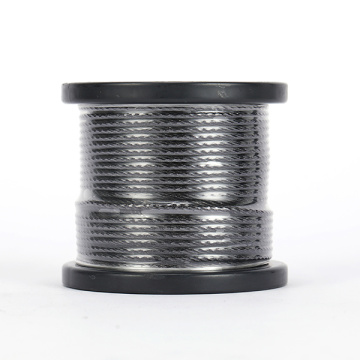


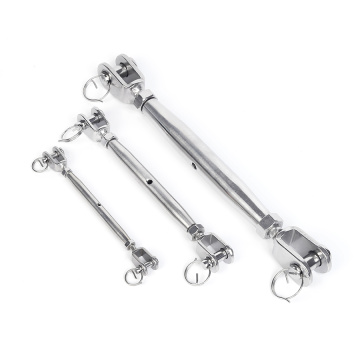


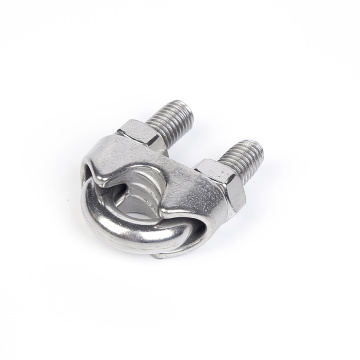
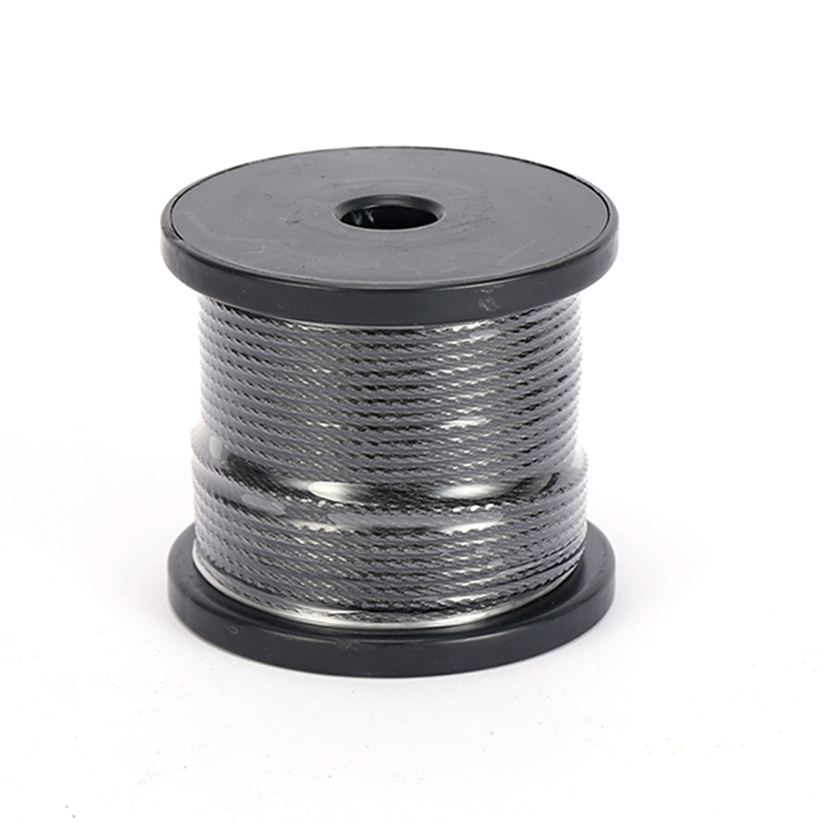
Black oxide stainless steel wire rope is a specialized industrial cable that combines the inherent corrosion resistance of stainless steel with the aesthetic and functional benefits of a black oxide surface treatment. This process creates a durable, matte-black finish on grades like 304 or 316 stainless steel, offering a sophisticated appearance while providing additional protection against wear and minor environmental exposure.
For procurement teams in construction, architecture, and decorative industries, this material offers a dual advantage: the structural integrity required for heavy-duty applications paired with a low-glare, uniform black finish that blends seamlessly into modern design schemes. The black oxide layer acts as a sacrificial barrier, reducing friction and preventing light reflection, which is critical for optical equipment, high-end architectural fittings, and marine environments where aesthetics matter alongside performance.
Key Benefit: Achieve superior corrosion resistance and a professional, low-maintenance black finish that enhances both durability and visual appeal in demanding applications.
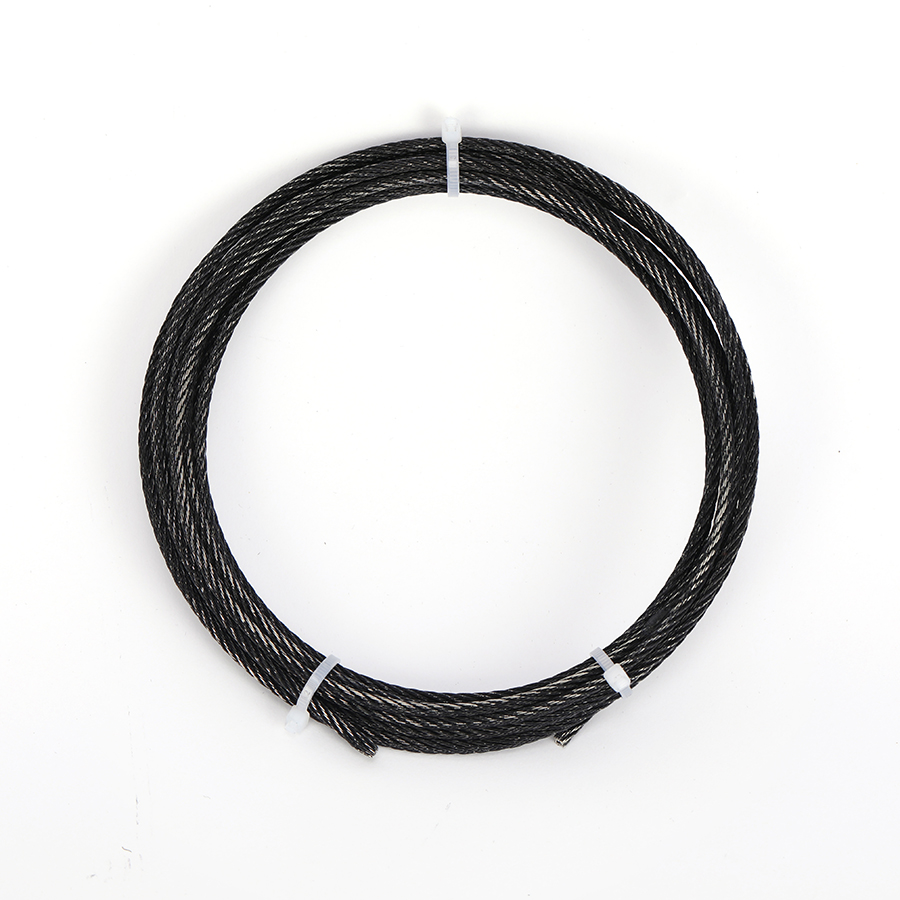
At Chenglu Stainless Steel Products Co., Ltd., our black oxide stainless steel wire rope undergoes rigorous quality assurance protocols to ensure it meets international standards for tensile strength, flexibility, and surface integrity. Our Xinghua-based facility utilizes advanced production equipment and experienced technical teams to maintain consistent batch quality, minimizing variability for your supply chain.
We employ state-of-the-art drawing, stranding, and coating technologies to produce wire ropes with precise dimensional tolerances. The black oxide process is carefully controlled to ensure uniform coverage without compromising the underlying stainless steel's mechanical properties. This results in a product that maintains its load-bearing capacity while offering enhanced wear resistance.
Every batch of black oxide stainless steel wire rope is subjected to comprehensive testing, including tensile strength verification, salt spray corrosion testing, and surface adhesion checks. Our commitment to "integrity-based, innovation-based" operations ensures that every meter of rope shipped to you meets the highest industry benchmarks for reliability and performance.
Selecting the optimal black oxide stainless steel wire rope requires balancing technical specifications with application demands. Buyers must consider factors such as grade selection (304 vs. 316), construction type (stranded vs. solid), diameter tolerance, and the specific environmental conditions the rope will face. A mismatch in these parameters can lead to premature failure or unnecessary cost overruns.
For general indoor or mild outdoor applications, 304 stainless steel with black oxide coating provides excellent value and sufficient corrosion resistance. However, for harsh environments—such as coastal areas, chemical processing plants, or food processing facilities with high chloride exposure—316 stainless steel is essential. The molybdenum content in 316 steel significantly enhances pitting and crevice corrosion resistance, ensuring longer service life in aggressive conditions.
The number of strands and wires per strand determines the rope's flexibility and fatigue resistance. Higher construction counts (e.g., 6x19 or 6x36) offer greater flexibility and better abrasion resistance, making them ideal for pulley systems and dynamic applications. For static support applications, lower construction counts may suffice, offering higher breaking strength at a lower cost.
Use this checklist to evaluate potential suppliers and ensure your black oxide stainless steel wire rope procurement meets all technical, quality, and logistical requirements. This structured approach helps mitigate risk and streamline vendor selection.
Verify that the supplier provides mill test certificates confirming the stainless steel grade (304/316) and chemical composition. Ensure the black oxide coating process is documented and does not compromise the base metal's integrity.
Confirm that the supplier adheres to international standards for diameter, lay length, and weight per meter. Tight tolerances are critical for compatibility with existing hardware and fitting systems.
Inspect sample batches for uniform black oxide coverage. The finish should be consistent, free of patches, and firmly adhered to the surface. Request samples to evaluate color consistency and texture before placing large orders.
Ensure the supplier conducts regular tensile strength, corrosion resistance, and flexibility tests. Ask for third-party lab reports if your industry requires specific compliance certifications.
Evaluate the supplier's production capacity, lead times, and inventory management. A reliable partner should demonstrate consistent output and the ability to scale orders based on your project demands.
Check that packaging protects the black oxide finish from scratches and moisture during transit. Proper coiling, wrapping, and labeling are essential to prevent damage and ensure easy handling upon arrival.
Black oxide stainless steel wire rope serves diverse industries where corrosion resistance, aesthetic appeal, and mechanical strength are paramount. Its versatility makes it suitable for both functional and decorative applications across multiple sectors.
Used in modern railings, curtain walls, and interior design elements where a sleek, non-reflective black finish complements contemporary aesthetics. The black oxide finish resists fingerprints and smudges, maintaining a clean appearance in high-traffic areas.
Ideal for boat rigging, dock accessories, and coastal infrastructure where saltwater exposure would rapidly degrade standard steel. The combination of 316 stainless steel and black oxide coating provides exceptional resistance to pitting and crevice corrosion.
Suitable for conveyor systems, hanging racks, and processing equipment in hygienic environments. Stainless steel's non-porous surface prevents bacterial growth, while the black oxide finish adds an extra layer of protection against cleaning chemicals and moisture.
Employed in lifting, pulling, and tensioning applications within factories and warehouses. The reduced friction coefficient of black oxide-coated rope improves efficiency in pulley systems and extends the lifespan of mating components.
Used in brake lines, cable assemblies, and suspension components where reliability and weight reduction are critical. The black oxide finish helps identify cables quickly and reduces glare in instrument panels.
Deployed in downhole tools, mooring systems, and safety equipment exposed to harsh chemical environments. The corrosion-resistant properties of black oxide stainless steel wire rope ensure long-term performance in offshore and onshore installations.
Procuring black oxide stainless steel wire rope comes with specific challenges that buyers must navigate to avoid costly mistakes. Understanding these common pitfalls allows you to implement preventive measures and secure better value from your suppliers.
The Problem: Uneven black oxide coating can result in patchy appearance, reduced corrosion protection, and poor aesthetic appeal. This often occurs when suppliers use substandard processes or rush the coating stage.
Solution: Request detailed specifications for the black oxide process, including bath chemistry, temperature control, and rinsing procedures. Inspect physical samples before approving bulk orders and establish clear acceptance criteria for color uniformity.
The Problem: Unscrupulous suppliers may substitute lower-grade stainless steel (e.g., 201 series) for premium grades (304/316), compromising corrosion resistance and mechanical properties. This is difficult to detect without laboratory testing.
Solution: Require mill test certificates with each shipment and conduct periodic third-party verification tests. Build relationships with reputable suppliers who prioritize transparency and quality assurance over short-term profit margins.
The Problem: Wire ropes that fall outside specified diameter or weight tolerances can cause fitment issues with existing hardware, leading to installation delays and additional costs. This is particularly problematic in precision applications.
Solution: Specify tight tolerances in your purchase orders and require pre-shipment inspection reports. Work with suppliers who invest in precision manufacturing equipment and maintain strict quality control protocols throughout production.
The Problem: Inconsistent lead times, production bottlenecks, or logistics failures can disrupt your project schedules and increase inventory carrying costs. This is common with suppliers lacking robust production planning and inventory management systems.
Solution: Diversify your supplier base to include multiple qualified vendors. Establish clear communication channels and regular order tracking mechanisms. Consider maintaining safety stock levels for critical items to buffer against unexpected disruptions.
Choosing the right supplier is as critical as selecting the correct product specifications. When evaluating potential partners for black oxide stainless steel wire rope, consider the following recommendations to ensure a successful, long-term procurement relationship.
Select suppliers with dedicated engineering teams who understand the nuances of black oxide coating processes and stainless steel metallurgy. Their expertise can help you optimize specifications for your specific application, potentially reducing costs while maintaining performance.
Ensure your supplier has the infrastructure to handle your order volume consistently. Look for companies with advanced production equipment, automated quality control systems, and scalable operations that can accommodate growth without compromising quality.
Strong quality management systems are non-negotiable. Verify that your supplier implements ISO-compliant processes, conducts regular internal audits, and maintains detailed records of testing and inspection results. This documentation is essential for traceability and compliance.
Responsive customer service can make a significant difference in resolving issues quickly and efficiently. Look for suppliers who assign dedicated account managers, provide proactive communication, and demonstrate a genuine commitment to customer satisfaction and problem resolution.
Reliable logistics are essential for timely delivery and cost control. Evaluate your supplier's shipping partnerships, packaging standards, and track record for on-time deliveries. International experience is particularly valuable for cross-border procurement.
Build relationships with suppliers who view procurement as a partnership rather than a transaction. Suppliers who invest in understanding your business needs, offer continuous improvement suggestions, and demonstrate flexibility are more likely to deliver sustained value over time.
Get answers to common questions about black oxide stainless steel wire rope procurement, specifications, and applications. These insights help you make informed decisions and avoid common pitfalls.
The primary difference lies in corrosion resistance. 316 stainless steel contains molybdenum, which significantly enhances resistance to pitting and crevice corrosion, making it ideal for marine and chemical environments. 304 stainless steel offers good general corrosion resistance at a lower cost, suitable for most indoor and mild outdoor applications. Both grades can be black oxide coated, but the underlying steel grade dictates the final product's performance in aggressive environments.
Black oxide coating on stainless steel wire rope provides moderate wear resistance and a uniform matte-black appearance. While it doesn't offer the same level of corrosion protection as passivation or electropolishing, it effectively reduces friction, minimizes light reflection, and adds a layer of sacrificial protection. For applications requiring maximum corrosion resistance, the coating should be complemented by proper maintenance and, in some cases, additional protective treatments.
Yes, black oxide stainless steel wire rope is suitable for food processing applications, provided it meets relevant food safety standards. Stainless steel's non-porous surface prevents bacterial growth, and the black oxide coating, when properly applied, does not introduce harmful substances. However, ensure that the coating process uses approved chemicals and that the final product complies with FDA or equivalent regulatory requirements for food contact materials.
Lead times vary depending on order volume, specifications, and supplier capacity. Standard sizes and grades typically ship within 7-15 business days. Custom specifications, large orders, or specialized coatings may require 3-6 weeks for production. It's advisable to discuss lead times with your supplier early in the procurement process and build buffer time into your project schedules to account for potential delays.
Store black oxide stainless steel wire rope in a dry, well-ventilated area away from direct sunlight and moisture. Avoid stacking heavy objects on coils to prevent deformation. Handle with clean gloves to prevent oil and sweat transfer, which can compromise the black oxide finish. When installing, use appropriate tools to avoid kinking or crushing the rope, which can weaken its structural integrity.
Yes, particularly when using 316 stainless steel grade. The combination of 316 steel's inherent corrosion resistance and the black oxide coating's additional protection makes it well-suited for marine environments. However, regular maintenance and inspection are recommended to ensure the coating remains intact and to address any signs of wear or damage promptly. For highly aggressive marine conditions, consider supplementary protective measures such as lubrication or sealants.
Privacy statement: Your privacy is very important to Us. Our company promises not to disclose your personal information to any external company with out your explicit permission.
Fill in more information so that we can get in touch with you faster
Privacy statement: Your privacy is very important to Us. Our company promises not to disclose your personal information to any external company with out your explicit permission.