


Please Leave Us A Message
Privacy statement: Your privacy is very important to Us. Our company promises not to disclose your personal information to any external company with out your explicit permission.


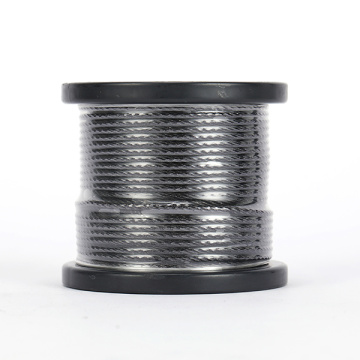


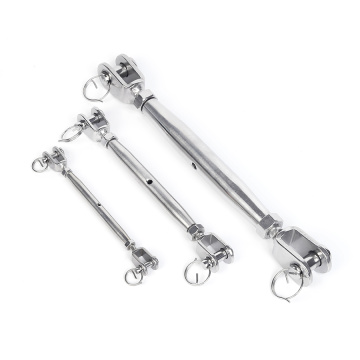


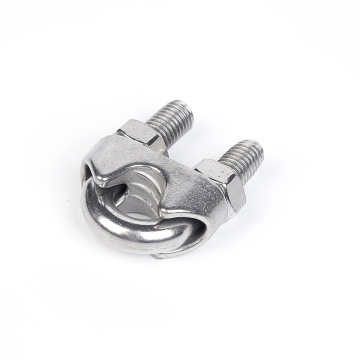
Stainless steel profile wire is a specialized category of metal extrusion where stainless steel is formed into non-circular cross-sections — including D-shape, U-channel, H-shape, triangular, rectangular, and custom geometries. Unlike standard round wire, these profiles are engineered to meet precise mechanical tolerances and surface finish requirements.
For procurement professionals sourcing components that must integrate seamlessly into larger assemblies, profile wire offers critical advantages: enhanced structural rigidity, optimized material utilization, and the ability to replace multiple welded or machined parts with a single extruded component. This reduces your assembly time, lowers your total cost of ownership, and simplifies your supply chain by consolidating suppliers.
Xinghua Chenglu Stainless Steel Products Co., Ltd. manufactures these profiles using advanced extrusion equipment and rigorous quality control protocols. Our products serve industries ranging from food processing and pharmaceutical manufacturing to chemical plant construction and architectural applications — sectors where corrosion resistance, hygienic surfaces, and long-term reliability are non-negotiable specifications.
Our production facility in Xinghua City, Jiangsu Province, is equipped with state-of-the-art cold drawing and hot extrusion machinery capable of producing complex stainless steel profiles with tight dimensional tolerances. The equipment range supports wire diameters from fine-gauge precision wire up to heavy-duty industrial profiles.
Every batch undergoes comprehensive testing including tensile strength analysis, hardness verification, surface defect inspection, and corrosion resistance evaluation. Our experienced technical team validates that each product lot meets international standards before shipment, reducing your incoming inspection burden.
We maintain full traceability from raw material receipt through final dispatch. Each heat number is documented and linked to its corresponding test reports, giving you complete visibility into the provenance and performance characteristics of every order you receive.
Guided by our corporate spirit of "integrity-based, innovation-based," we continuously optimize our production processes. We invest in R&D to introduce new technologies and management practices, ensuring our profile wire offerings evolve alongside your industry's changing requirements.
Choosing the correct stainless steel profile wire requires balancing several technical factors against your application's operational demands. A mismatch between material grade, profile geometry, and service conditions can lead to premature failure, increased maintenance costs, and production downtime. Use this guide to make an informed decision on your first order.
Grade selection directly impacts your product's lifespan and compliance status. For general-purpose applications, 304-grade stainless steel profile wire provides excellent corrosion resistance at a competitive price point. When your environment involves chlorides, acids, or high-moisture conditions, upgrade to 316-grade for superior pitting and crevice corrosion resistance. Marine environments, chemical processing plants, and pharmaceutical facilities typically require 316 or higher-grade alloys.
The cross-sectional shape determines how the wire integrates into your assembly. Common profiles include D-shape (flat side for mounting, rounded side for smooth contact), U-channel (for edge protection or guide rails), and rectangular/hexagonal shapes (for structural bracing). Custom profiles are available when standard geometries don't meet your exact specification — communicate your engineering drawings early in the sourcing process to avoid costly rework.
Surface finish affects both aesthetics and functionality. Bright annealed finishes provide a clean, reflective surface ideal for food processing and visible architectural applications. Pickled and passivated surfaces offer optimal corrosion resistance for chemical exposure. Mirror finishes may be required for sanitary applications where bacterial buildup must be minimized. Request samples with different finishes to validate compatibility with your downstream processes.
Different applications demand different levels of strength and ductility. Hard-drawn profile wire offers maximum tensile strength for tension-bearing applications but has limited formability. Annealed wire provides maximum flexibility for bending and forming operations. Half-hard temper strikes a balance between strength and workability. Work with your engineering team to define the minimum mechanical properties your design requires, then match those requirements to the supplier's capability matrix.
Before placing your purchase order, use this checklist to ensure every critical parameter has been addressed. This systematic approach minimizes the risk of receiving non-conforming materials, unexpected delays, or hidden costs that erode your project margins.
The versatility of stainless steel profile wire makes it indispensable across a broad spectrum of industrial applications. Understanding where and why it performs best helps you evaluate whether it's the right solution for your specific needs.
In food processing environments, profile wire forms conveyor belts, mesh screens, filtration elements, and handling equipment. The non-porous, easy-to-clean surface of stainless steel prevents bacterial harborage and resists cleaning chemicals. D-shaped and flat-profile wires create uniform mesh openings for consistent filtration and sorting performance. Compliance with FDA and EU food-contact regulations is standard for our 304 and 316-grade products.
Pharmaceutical facilities demand the highest standards of cleanliness and corrosion resistance. Stainless steel profile wire is used in sterile filtration housings, medical device components, laboratory equipment frames, and cleanroom partition systems. The material's inertness ensures no contamination of sensitive processes, while its durability withstands repeated sterilization cycles including autoclaving and chemical disinfection.
Chemical plants expose equipment to aggressive acids, alkalis, and solvents. 316L and super-austenitic stainless steel profile wire provides exceptional resistance to chloride stress-corrosion cracking and pitting. Applications include catalyst support structures, scrubber internals, heat exchanger components, and piping supports. The profile geometry often replaces fabricated assemblies, reducing weld points where corrosive media could penetrate.
Architectural designers specify stainless steel profile wire for curtain wall reinforcement, facade screening, balustrade cables, and decorative mesh panels. The combination of structural strength and aesthetic appeal — available in mirror, brushed, or satin finishes — allows architects to achieve durable, low-maintenance designs. The material retains its appearance for decades even in coastal or urban pollution-exposed environments.
Brewery equipment benefits from stainless steel's resistance to organic acids found in wort and beer. Profile wire is used in brewing filter screens, tank reinforcement, pipe hangers, and platform grating. The smooth surface prevents residue buildup between cleaning cycles, reducing sanitation time and improving hygiene compliance. Many breweries specify 304-grade for cost efficiency and 316-grade for high-acid specialty beer production lines.
Saltwater environments accelerate corrosion in conventional metals. Duplex and super-duplex stainless steel profile wire delivers the mechanical strength and chloride resistance required for marine railing systems, boat hardware, offshore platform components, and desalination plant internals. These grades offer twice the yield strength of standard austenitic grades while maintaining excellent corrosion performance in seawater.
Not all stainless steel wire manufacturers deliver the same level of quality, consistency, and service. When evaluating potential suppliers, look beyond price and assess their capabilities across these critical dimensions that directly impact your procurement outcomes.
A supplier with modern, well-maintained equipment produces more consistent results than one relying on outdated machinery. Ask about their annual production volume, equipment age, and capacity utilization. Suppliers who invest in R&D and technology upgrades demonstrate commitment to long-term reliability rather than short-term cost cutting. Xinghua Chenglu Stainless Steel Products Co., Ltd. maintains advanced production equipment and an experienced technical team to ensure consistent output quality.
Verify that the supplier operates under a certified quality management system (such as ISO 9001) with documented procedures for incoming inspection, in-process control, and final release testing. Request sample test reports to evaluate the depth and professionalism of their quality documentation. Strong quality systems reduce your risk of receiving non-conforming material and simplify your own audit processes.
The best suppliers act as technical partners, not just order-takers. They should be able to advise on material selection, profile optimization, tolerance feasibility, and alternative solutions that reduce your total cost. Evaluate their responsiveness during the inquiry phase — slow communication during pre-production often translates to poor problem resolution after delivery issues arise.
Consistent on-time delivery is as important as product quality. Assess the supplier's track record for meeting lead times, their inventory management practices, and their contingency plans for raw material shortages or production disruptions. Suppliers located in established industrial regions like Jiangsu Province benefit from mature logistics networks and reliable transportation infrastructure.
Look for suppliers who prioritize customer satisfaction and continuous improvement. Companies that emphasize "customer-centric service concepts" and maintain strong corporate values tend to build longer-term partnerships based on trust and mutual benefit. Review customer testimonials, case studies, and references from buyers in similar industries to gauge real-world performance.
Suppliers with export experience understand international standards, packaging requirements, documentation expectations, and cultural nuances in business communication. They are better equipped to handle your specific regulatory and logistical needs without requiring extensive guidance. A supplier committed to becoming a "global leading supplier" will have the infrastructure and mindset to serve international buyers effectively.
These answers address the most common questions we receive from procurement professionals evaluating stainless steel profile wire for their operations. If your question isn't covered here, reach out to our technical team for personalized guidance.
The primary difference lies in corrosion resistance. 304-grade stainless steel contains 18% chromium and 8% nickel, providing excellent general corrosion resistance for most indoor and mild outdoor environments. 316-grade adds 2-3% molybdenum, significantly improving resistance to chloride-induced pitting and crevice corrosion. If your application involves saltwater exposure, chemical processing, or coastal locations, 316 is strongly recommended despite its higher unit cost. The additional investment typically pays for itself through extended service life and reduced replacement frequency.
Yes. While we maintain a broad inventory of standard profiles including D-shape, U-channel, rectangular, and hexagonal shapes, we also manufacture fully custom profiles to your engineering specifications. Custom production requires die tooling, which involves an initial setup cost but becomes economical at moderate to high volumes. Provide us with your CAD drawings or physical samples, and our technical team will evaluate manufacturability, recommend optimizations for cost reduction, and quote both tooling and per-unit pricing.
Tolerance capabilities depend on the profile geometry, material grade, and wire diameter. Standard tolerances typically fall within ±0.05mm to ±0.15mm for width and thickness dimensions. Tighter tolerances (±0.02mm or better) are achievable on select profiles and require additional finishing operations such as precision grinding. Discuss your exact tolerance requirements during the quoting phase so we can recommend the most cost-effective manufacturing approach that meets your engineering specifications.
Every shipment includes mill test certificates (MTC) documenting chemical composition, mechanical properties, and heat treatment status. We also provide certificates of origin, commercial invoices, packing lists, and any industry-specific compliance documentation your market requires (such as REACH, RoHS, or FDA compliance statements). Additional third-party inspection reports from agencies like SGS, BV, or TÜV can be arranged upon request at your expense.
Standard profiles in commonly specified grades and sizes are often available from stock with immediate or next-day dispatch. Custom profiles or non-standard grades typically require 15-25 working days for production, depending on complexity and volume. Expedited production schedules may be available for urgent orders — discuss your timeline constraints early so we can explore options and plan accordingly. Sea freight transit times vary by destination, typically 25-45 days for major global routes.
Store profile wire in a dry, ventilated area away from direct contact with carbon steel materials to prevent cross-contamination and rust staining. Keep coils upright on pallets or racks; avoid stacking flat unless the packaging is specifically designed for it. Protect finished surfaces from mechanical damage during unloading and internal handling. Even stainless steel can develop surface contamination if stored improperly — proper storage preserves the passive oxide layer that provides corrosion resistance.
Privacy statement: Your privacy is very important to Us. Our company promises not to disclose your personal information to any external company with out your explicit permission.
Fill in more information so that we can get in touch with you faster
Privacy statement: Your privacy is very important to Us. Our company promises not to disclose your personal information to any external company with out your explicit permission.