


Please Leave Us A Message
Privacy statement: Your privacy is very important to Us. Our company promises not to disclose your personal information to any external company with out your explicit permission.


A swivel hoist is a critical lifting component designed to rotate around its axis while maintaining a secure grip on the load. Unlike fixed lifting points, the swivel mechanism prevents wire rope twisting and tangling during hoisting operations, ensuring smoother lifts and reducing the risk of load instability.
For industries ranging from construction to heavy manufacturing, understanding what a swivel hoist is and how it functions is essential for optimizing material handling workflows. Chenglu Stainless Steel Products Co., Ltd. specializes in high-quality stainless steel rigging components that meet international standards for durability and safety.
Our swivel hoists are engineered to provide reliable performance in demanding environments, combining corrosion resistance with superior mechanical strength. Whether you are managing a large-scale industrial project or specialized lifting tasks, our swivel hoists offer the flexibility and security your operations require.
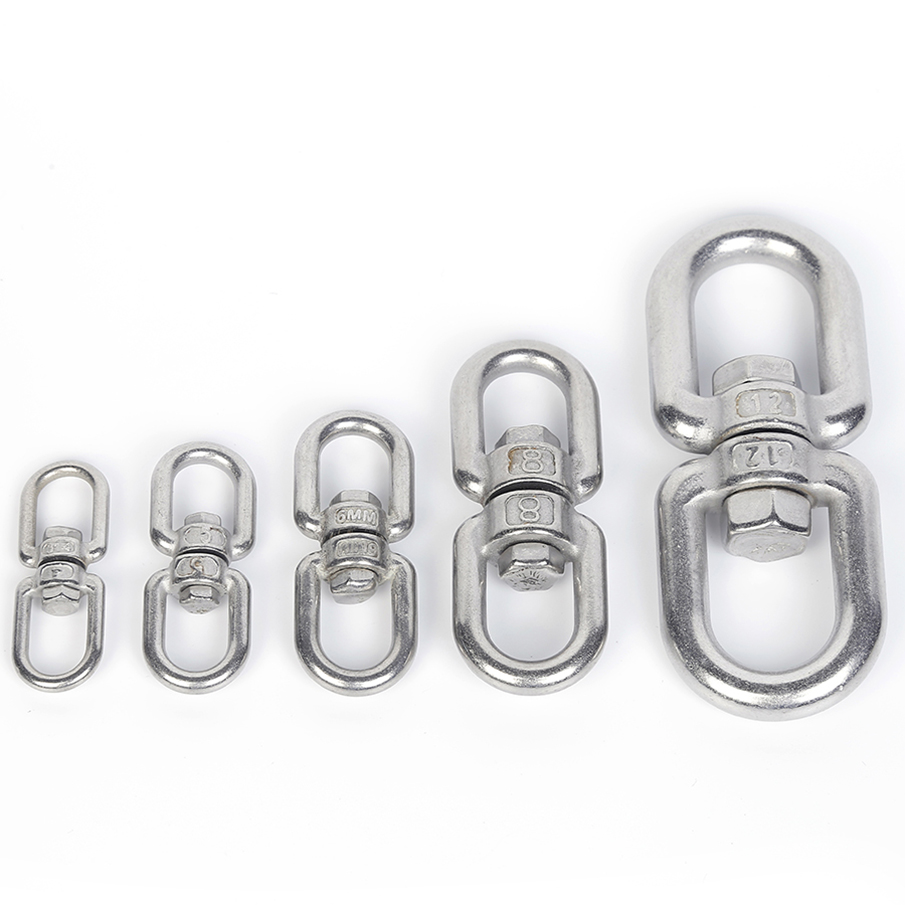
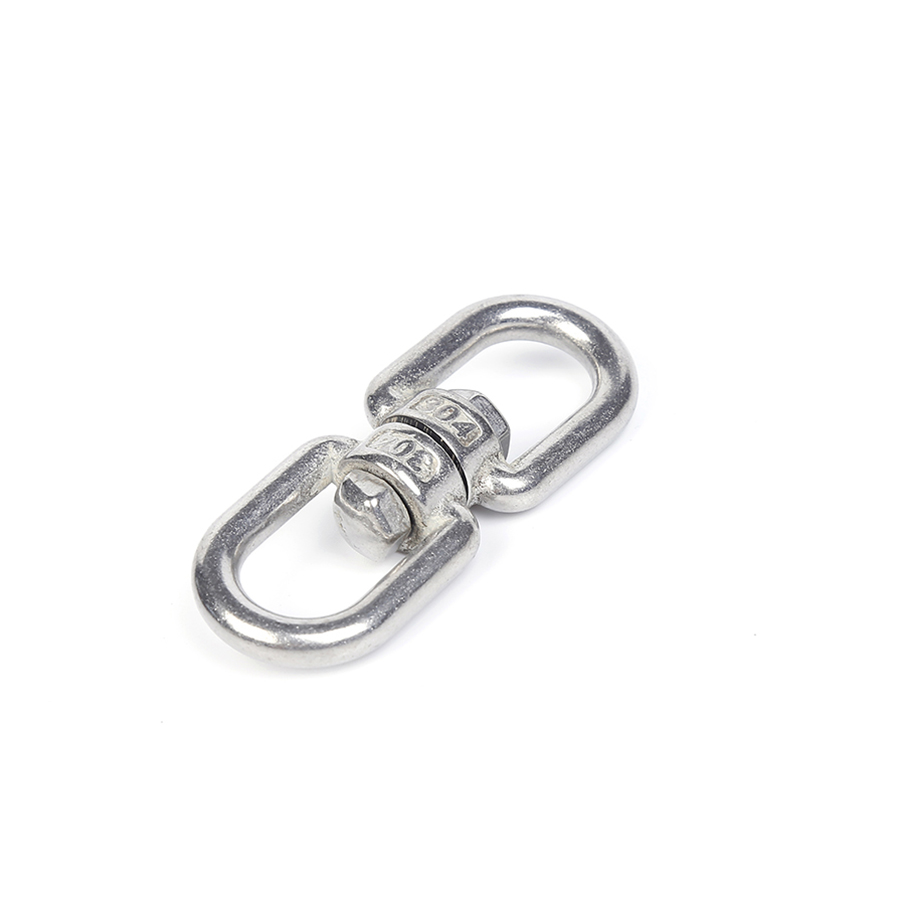
At Chenglu Stainless Steel Products Co., Ltd., we combine advanced production equipment with an experienced technical team to deliver premium swivel hoist solutions. Our manufacturing process ensures that every component meets rigorous quality standards, providing buyers with confidence in product reliability and longevity.
We adhere to the corporate spirit of "integrity-based, innovation-based," continuously optimizing our product structure and service quality to meet the growing needs of the global market.
Selecting the appropriate stainless steel swivel hoist requires careful consideration of several key factors. Understanding these requirements helps ensure optimal performance, safety, and cost-effectiveness for your specific lifting applications.
Evaluate the maximum weight you need to lift regularly, plus a safety margin. Choosing a swivel hoist with adequate capacity prevents overloading and extends the lifespan of your lifting equipment.
Consider the operating environment where your swivel hoist will be used. For corrosive environments such as chemical processing or marine applications, stainless steel construction provides superior resistance compared to standard steel alternatives.
Ensure the swivel hoist specifications match your existing wire rope, chains, and other rigging components. Proper compatibility maintains system integrity and reduces the risk of connection failures.
Contact our technical team to discuss your specific requirements and receive personalized recommendations for industrial swivel hoist selection.
Confirm the stainless steel grade matches your application requirements. Higher grades offer better corrosion resistance for harsh environments.
Ensure the supplier provides documentation verifying compliance with international quality and safety standards for lifting equipment.
Choose a manufacturer with proven expertise in stainless steel rigging products and a track record of reliable delivery.
Verify that the supplier conducts thorough quality testing including load capacity verification and durability assessments.
Determine if the manufacturer can accommodate custom specifications for unique lifting requirements or special applications.
Establish clear delivery timelines to ensure swivel hoists arrive when needed without disrupting your project schedule.
Select suppliers with years of experience in stainless steel product manufacturing. Chenglu has built a reputation for consistent quality and reliable service across multiple industries.
Prioritize suppliers offering dedicated technical support teams who can assist with product selection, customization, and troubleshooting for complex lifting applications.
Choose manufacturers committed to meeting international quality standards. This ensures products perform reliably regardless of your geographic location or industry sector.
Look for suppliers who prioritize customer satisfaction through responsive communication, flexible ordering options, and post-sale support services.
Partner with companies that invest in R&D and technology advancement, ensuring access to the latest innovations in stainless steel rigging products.
Verify that suppliers maintain advanced testing instruments and facilities capable of validating product performance under real-world operating conditions.
Procuring swivel hoists from international suppliers can present several challenges. Being aware of common issues helps you make informed decisions and avoid costly mistakes in your sourcing process.
Some suppliers may use substandard materials that do not meet specified stainless steel grades. Always request material certifications and conduct independent verification tests.
Working with overseas manufacturers can lead to communication gaps regarding specifications, timelines, and quality expectations. Establish clear communication protocols and regular update schedules.
Ensuring that claimed certifications are valid and up-to-date requires diligence. Request original certification documents and verify them with issuing authorities when possible.
International shipping can involve unexpected delays, customs complications, or damage during transit. Plan for adequate lead times and consider insurance for high-value shipments.
A swivel hoist features a rotating mechanism that allows the load to turn freely around its axis, preventing wire rope twisting and tangling. Regular lifting hooks lack this rotation capability, which can lead to rope damage and unstable loads during lifting operations.
Stainless steel swivel hoists are typically manufactured using grades 304, 316, or 316L stainless steel. Grade 316 offers superior corrosion resistance and is recommended for marine or chemically aggressive environments, while grade 304 provides excellent general-purpose performance.
Calculate the maximum weight you intend to lift and select a swivel hoist with a working load limit at least 25% higher than your heaviest expected load. This safety margin accounts for dynamic forces during lifting and extends the product's service life.
Yes, many manufacturers including Chenglu offer customization options for swivel hoists. Customizations may include specific dimensions, unique attachment configurations, special coatings, or modified swivel mechanisms tailored to your particular lifting requirements.
Regular inspection for signs of wear, corrosion, or damage is essential. Clean the swivel mechanism periodically and apply appropriate lubrication to ensure smooth rotation. Store in a dry environment when not in use to maximize product lifespan.
Stainless steel swivel hoists are well-suited for outdoor applications due to their natural corrosion resistance. However, exposure to harsh environmental conditions may require more frequent inspection and maintenance to ensure continued safe operation.
Our technical team is ready to assist with any questions about swivel hoist specifications, applications, or procurement processes. Contact us for personalized guidance on selecting the right lifting solution for your project.
Chenglu Stainless Steel Products Co., Ltd. is committed to providing reliable products and exceptional service to customers worldwide.
Privacy statement: Your privacy is very important to Us. Our company promises not to disclose your personal information to any external company with out your explicit permission.
Fill in more information so that we can get in touch with you faster
Privacy statement: Your privacy is very important to Us. Our company promises not to disclose your personal information to any external company with out your explicit permission.