


Please Leave Us A Message
Privacy statement: Your privacy is very important to Us. Our company promises not to disclose your personal information to any external company with out your explicit permission.


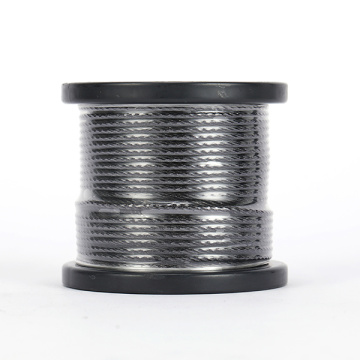


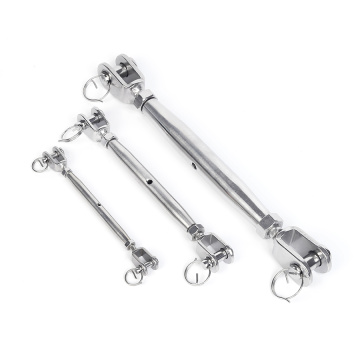


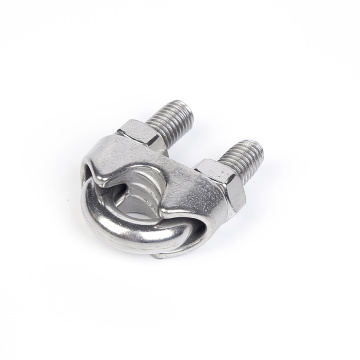


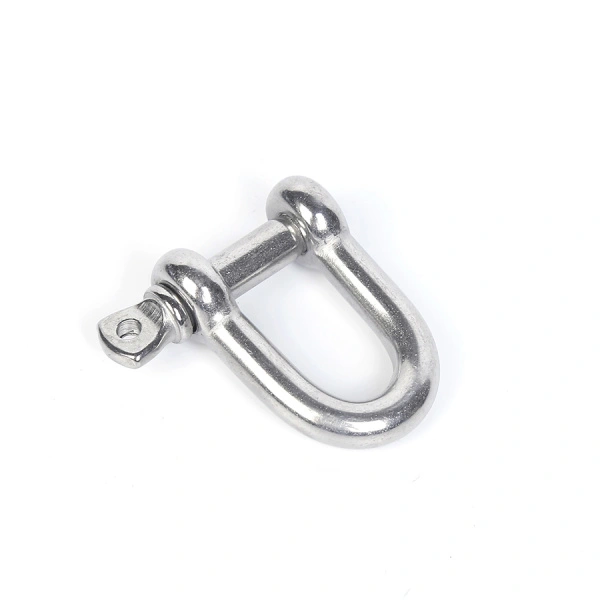
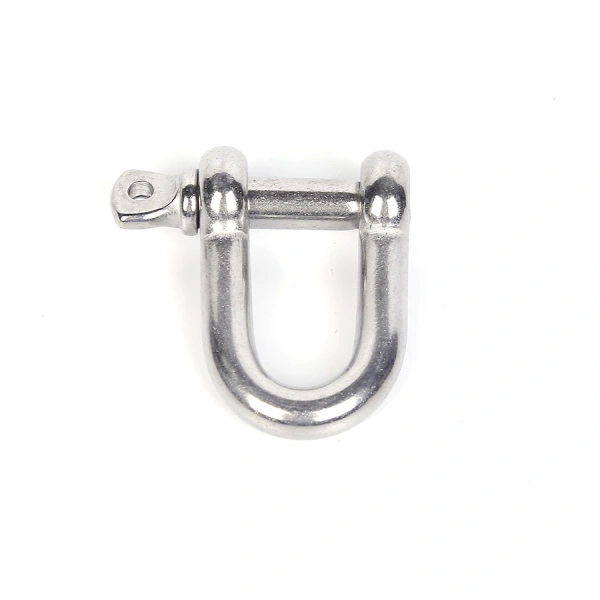
A stainless steel snap shackle is a critical mechanical fastener designed to connect wire ropes, chains, and rigging components securely while allowing for quick assembly and disassembly. Unlike traditional shackles that require tools to open, the snap shackle features a spring-loaded gate mechanism that enables one-handed operation—essential for efficiency in high-volume industrial environments.
Manufactured from premium-grade stainless steel alloys, these connectors offer superior corrosion resistance compared to galvanized or carbon steel alternatives. This makes them ideal for applications where moisture, chemicals, or harsh environmental conditions are present. Their robust design ensures reliable load-bearing capacity while maintaining flexibility for dynamic tensioning scenarios.
Commonly used across industries such as food processing, pharmaceutical manufacturing, chemical handling, and construction, stainless steel snap shackles provide a hygienic, durable, and aesthetically pleasing connection solution. Their non-sparking properties also make them suitable for specialized safety-critical environments.
Spring mechanisms tested for thousands of open/close cycles without fatigue failure, ensuring long-term reliability in frequent-use applications.
Stainless steel construction resists rust, oxidation, and chemical degradation, reducing maintenance costs and extending service life in harsh environments.
Our industrial stainless steel snap shackles are engineered to meet the most demanding procurement requirements. At Chenglu Stainless Steel Products Co., Ltd., we combine advanced manufacturing technology with rigorous quality control to deliver products that reduce your total cost of ownership.
Every snap shackle undergoes comprehensive testing including tensile strength verification, corrosion resistance validation, and spring mechanism durability checks. This commitment to quality means fewer field failures, reduced downtime, and greater peace of mind for your operations team.
We understand that sourcing decisions impact your entire supply chain. That's why our snap shackles are designed for easy integration into existing systems, compatible with standard wire rope diameters and chain sizes. Our technical support team is available to assist with specification selection, ensuring you get the optimal product for your specific application.
Chenglu Stainless Steel Products Co., Ltd. operates state-of-the-art production facilities in Xinghua City, Jiangsu Province, equipped with advanced manufacturing equipment and precision testing instruments. Our facility produces wire rope, stainless steel wire rope, stainless steel wire, stainless steel chain, stainless steel welding wire, and stainless steel rigging components to international quality standards.
Our ISO-compliant manufacturing process for stainless steel snap shackles includes raw material verification, controlled forming operations, heat treatment procedures, surface finishing, and final inspection. Each production batch is traceable through our quality management system, providing full documentation for your compliance requirements.
The experienced technical team at Chenglu continuously optimizes product structures and manufacturing processes, incorporating the latest advancements in stainless steel metallurgy and mechanical engineering. This ongoing innovation ensures our snap shackles remain at the forefront of performance and reliability.
Selecting the correct stainless steel snap shackle size and specification requires careful consideration of your application's unique demands. The wrong choice can lead to premature failure, safety hazards, or unnecessary expense. Follow this comprehensive guide to ensure optimal selection.
Determine the maximum working load and peak dynamic forces your application will impose. Select a snap shackle with a working load limit (WLL) that exceeds your maximum expected load by a minimum safety factor of 4:1 for static applications and 7:1 for dynamic lifting operations.
Choose between 304, 316, or 2205 duplex stainless steel based on your environment. 304 offers general corrosion resistance for indoor use. 316 provides enhanced chloride resistance for marine and coastal applications. Duplex grades deliver superior strength and pitting resistance for aggressive chemical environments.
Evaluate whether a standard spring-loaded gate, screw-pin lock, or self-locking bolt mechanism best suits your operational needs. Spring gates enable rapid deployment but may require secondary locking in vibration-prone applications. Screw-pin variants provide positive locking for critical lift points.
Match the bow diameter and pin bore to your existing wire rope, chain, or cable specifications. Ensure adequate clearance for proper engagement while maintaining optimal load distribution across the shackle body. Standard sizes range from M3 to M48 metric threads.
Verify that your selected snap shackles carry appropriate certifications for your industry. Lifting applications typically require CE marking, WLL certification, and third-party testing reports. Food-grade applications demand compliance with FDA regulations for materials contacting consumables.
Consider the required surface finish for your application. Bright polish offers aesthetic appeal and easy cleaning for food and pharmaceutical uses. Passivated finishes enhance corrosion resistance. Sandblasted surfaces provide better paint adhesion when additional coating is needed.
Use this comprehensive checklist to evaluate potential stainless steel snap shackle suppliers and ensure you select the most reliable partner for your procurement needs. Each item addresses a critical factor that impacts quality, delivery, and total cost of ownership.
When sourcing stainless steel snap shackles wholesale, partnering with established manufacturers who demonstrate consistent quality, transparent communication, and scalable production capabilities is essential. Below are key criteria for evaluating potential suppliers, followed by a recommendation based on our assessment framework.
Suppliers that manufacture both raw wire and finished rigging components under one roof offer significant advantages. Vertical integration reduces supply chain complexity, ensures material consistency, and often results in more competitive pricing due to eliminated intermediary markups.
Prioritize suppliers equipped with in-house laboratories capable of performing material composition analysis, mechanical property testing, and corrosion resistance evaluation. On-site testing eliminates reliance on external labs and accelerates quality assurance turnaround times.
Suppliers with extensive export experience understand diverse regulatory requirements, packaging standards, and logistics challenges. They typically maintain multilingual technical teams and flexible payment terms to accommodate international buyers.
Based in Xinghua City, Jiangsu Province, Chenglu operates a comprehensive stainless steel manufacturing facility specializing in wire rope, stainless steel wire rope, stainless steel wire, stainless steel chain, stainless steel welding wire, and stainless steel rigging. Their advanced production equipment, experienced technical team, and commitment to international quality standards make them an ideal partner for sourcing stainless steel snap shackles. With a corporate philosophy centered on integrity and innovation, Chenglu has built a reputation for reliability across food processing, pharmaceuticals, chemicals, brewing, and construction industries worldwide.
Procurement professionals frequently encounter challenges when sourcing stainless steel snap shackles from overseas suppliers. Understanding these common pitfalls in advance allows you to implement preventive measures and protect your supply chain from disruption.
Unscrupulous suppliers may substitute lower-grade stainless steel (e.g., 200-series) in place of specified grades (304 or 316). Always request material certificates and consider independent sample testing to verify actual composition before placing large orders.
Low-quality springs within the snap shackle gate can lose tension prematurely, causing accidental opening under vibration. Request spring cycle-life test data and specify minimum cycle requirements in your purchase agreement.
Some manufacturers publish optimistic load ratings that don't reflect actual breaking strength. Demand third-party certified test reports rather than relying solely on manufacturer specifications. Verify that rated capacities account for proper angular loading conditions.
Even genuine stainless steel can corrode if improperly passivated or exposed to incompatible chemicals. Specify the correct alloy grade for your environment and inquire about post-manufacturing passivation treatments to maximize corrosion resistance.
Improper packaging during ocean freight can result in denting, scratching, or contamination of snap shackles. Require suppliers to use moisture-resistant wrapping, desiccant packets, and reinforced cartons for international shipments.
Time zone differences and language barriers can slow down issue resolution. Establish clear communication protocols, designate single points of contact on both sides, and schedule regular progress updates throughout the production cycle.
Below are answers to the most common questions buyers ask when sourcing stainless steel snap shackles for industrial applications. These insights address practical concerns that directly impact your procurement decisions and operational outcomes.
A stainless steel snap shackle features a spring-loaded gate that opens automatically when pressure is applied, enabling one-handed operation. Standard bow shackles require manual removal of a pin nut, which demands two hands and tools in many configurations. Snap shackles are preferred for applications requiring frequent connection and disconnection, while standard shackles excel in permanent or semi-permanent installations where security is paramount.
Standard spring-loaded snap shackles are generally not approved for overhead lifting due to the risk of accidental gate opening under dynamic loads. However, snap shackles equipped with screw-pin locks or bolt closures can be certified for lifting when they meet applicable standards such as EN 1677-4 or ASME B30.26. Always verify the specific product's certification status and working load rating before using it in any lifting scenario.
WLL stands for Working Load Limit, which represents the maximum force the shackle should safely sustain under normal operating conditions. It is typically calculated by dividing the minimum breaking force by a safety factor (usually 4:1 for general rigging). Never exceed the WLL, as doing so compromises structural integrity and creates serious safety hazards.
Match the snap shackle's bow diameter and pin bore to your wire rope's nominal diameter. The rope should slide freely through the bow without excessive play, and the pin should engage fully without binding. Consult the manufacturer's sizing chart for recommended pairings. When in doubt, select a slightly larger shackle rather than a smaller one, as undersized connections create stress concentrations and reduce overall capacity.
For most outdoor environments, 316 stainless steel is strongly recommended over 304 due to its superior resistance to chloride-induced pitting and crevice corrosion. Coastal regions, areas with de-icing salt exposure, or environments containing chemical aerosols will accelerate corrosion of 304-grade shackles. If your application involves prolonged outdoor exposure or proximity to saltwater, 316 stainless steel provides significantly longer service life and lower total cost of ownership.
Minimum order quantities vary depending on whether you're ordering standard catalog items or custom-manufactured specifications. Standard sizes typically have lower MOQs ranging from 50 to 500 pieces. Custom configurations requiring unique dimensions, special markings, or proprietary designs may require higher volumes to amortize setup costs. Discuss your requirements directly with the supplier to negotiate favorable terms based on your projected annual volume.
Store snap shackles in a clean, dry, well-ventilated environment away from direct contact with carbon steel materials, which can transfer iron particles and initiate rust. Keep original protective packaging intact until ready for use. For long-term storage exceeding six months, apply a light coat of corrosion-inhibiting oil and monitor humidity levels. Avoid storing near acidic or alkaline chemicals that could compromise the passive oxide layer on the stainless steel surface.
Privacy statement: Your privacy is very important to Us. Our company promises not to disclose your personal information to any external company with out your explicit permission.
Fill in more information so that we can get in touch with you faster
Privacy statement: Your privacy is very important to Us. Our company promises not to disclose your personal information to any external company with out your explicit permission.