


Please Leave Us A Message
Privacy statement: Your privacy is very important to Us. Our company promises not to disclose your personal information to any external company with out your explicit permission.


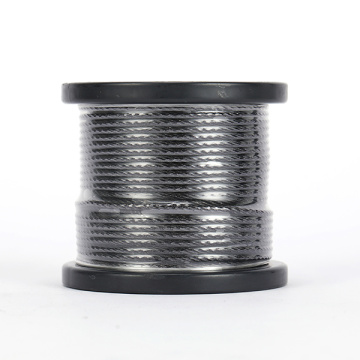


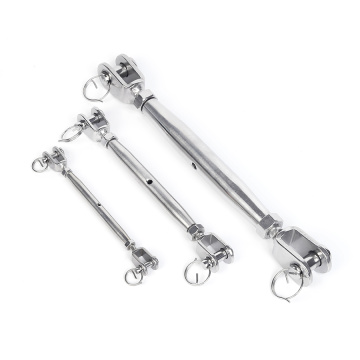


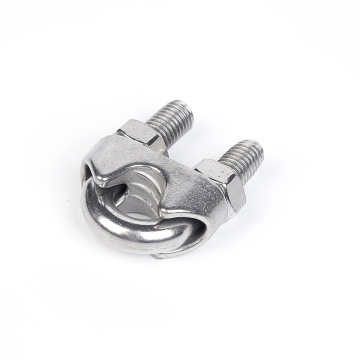


A steel pulley is a fundamental mechanical component designed to guide the movement of cables, ropes, or belts within a system. Constructed from high-grade stainless steel, these pulleys offer superior strength-to-weight ratios, ensuring they can handle heavy loads while maintaining precise alignment. For industrial procurement teams, choosing the right steel pulley means reducing downtime and minimizing maintenance costs over the lifecycle of your equipment.
Chenglu Stainless Steel Products Co., Ltd. specializes in manufacturing robust steel wire mesh and related components, including precision-engineered pulleys. Our products are widely used across food processing, pharmaceuticals, chemicals, brewing, and construction industries. By leveraging advanced production equipment and rigorous testing instruments, we ensure that every steel pulley meets international quality standards, providing reliability for critical applications where failure is not an option.
Located in Xinghua City, Jiangsu Province, our facility combines beautiful scenery with convenient transportation logistics. We focus on the research, development, and sales of high-quality stainless steel products. Our experienced technical team ensures that each steel pulley undergoes strict quality control processes, guaranteeing consistent batch quality and performance durability.
We adhere to a customer-centric service concept, continuously optimizing product structures to meet global market demands. Our commitment to "integrity-based, innovation-based" corporate spirit drives us to become a leading supplier of stainless steel products worldwide. Procurement buyers can rely on our rigorous testing instruments to verify that our steel pulleys comply with international industry standards.


When sourcing steel pulleys, material choice is paramount. Stainless steel offers exceptional corrosion resistance, making it ideal for harsh environments like chemical processing or marine applications. Our expertise in stainless steel wire rope and rigging allows us to design pulleys that integrate seamlessly with existing cable systems, reducing wear and tear on both the pulley and the cable.
Selecting the correct load capacity ensures safety and efficiency. Our engineering team works closely with clients to determine the optimal groove profile, bearing type, and flange design. Whether you need standard off-the-shelf solutions or custom OEM configurations, we provide tailored recommendations that lower your total cost of ownership by extending service intervals.
Ensure the supplier provides detailed material certificates confirming the stainless steel grade (e.g., 304, 316L). This is critical for corrosion resistance in specific industrial environments.
Confirm that the pulley's working load limit exceeds your maximum operational requirements. Always factor in a safety margin to prevent premature failure under peak loads.
Determine if sealed bearings, open bearings, or roller bearings are best suited for your speed and friction requirements. Proper bearing selection significantly impacts energy efficiency.
A smooth, polished surface reduces cable friction and extends the life of your wire rope. Ask for samples to test compatibility with your specific cable types.
Choose a manufacturer with proven experience in your industry. Chenglu’s background in food processing and pharmaceuticals demonstrates our ability to meet stringent hygiene and durability standards.
Flexibility is key. Ensure the supplier can accommodate custom dimensions, mounting configurations, and specialized coatings to fit your unique machinery requirements.
Premature failure often results from using the wrong stainless steel grade. Standard carbon steel pulleys will rust quickly in chemical or marine settings. Using 316L stainless steel, which we specialize in, provides superior resistance to chlorides and acids, drastically extending the service life of your equipment.
Misaligned grooves cause uneven wear on both the pulley rim and the cable strands. This leads to fraying, reduced tensile strength, and eventual cable breakage. Our precision machining ensures exact groove geometry, matching industry standards to maintain optimal cable contact and reduce replacement frequency.
Neglecting bearing maintenance increases friction, leading to higher energy consumption and heat buildup. Sealed bearings in our steel pulleys minimize this risk by keeping contaminants out. However, regular inspection is still recommended to ensure smooth operation and prevent costly unplanned downtime.
Sourcing from a company that handles R&D, production, and sales internally, like Chenglu, ensures better quality control and faster response times. You avoid the markups and communication delays associated with trading companies. Direct access to our technical team allows for more accurate troubleshooting and support.
Our extensive experience in food processing, pharmaceuticals, and brewing means we understand the unique hygiene and cleanliness requirements of these sectors. A supplier familiar with these regulations can help you select pulleys that not only perform mechanically but also comply with industry-specific sanitation standards.
In food manufacturing, stainless steel pulleys resist cleaning agents and moisture, preventing contamination. Our products meet strict hygiene standards, ensuring safe operations in conveyor systems and packaging machinery.
The pharmaceutical industry requires ultra-clean environments. Our precision-engineered pulleys offer smooth operation with minimal particle generation, supporting sterile processing and reliable automation in drug manufacturing facilities.
Harsh chemicals and acidic brews demand materials that won't corrode. Our 304 and 316 stainless steel pulleys provide long-lasting durability in aggressive environments, reducing maintenance frequency and operational costs.
Heavy-duty construction equipment relies on robust lifting and guiding mechanisms. Our high-strength steel pulleys handle significant loads and abrasive conditions, ensuring safety and efficiency on job sites worldwide.
Saltwater exposure is a major challenge for marine equipment. Our marine-grade stainless steel pulleys offer exceptional corrosion resistance, making them ideal for rigging, winches, and deck machinery on ships and offshore platforms.
Precision guidance is crucial in textile weaving and paper manufacturing. Our smooth-surfaced pulleys prevent fiber damage and ensure consistent tension control, improving product quality and reducing waste in continuous production lines.
Steel pulleys offer higher load capacities and better heat dissipation compared to nylon. While nylon is quieter and lighter, steel is preferred for heavy-duty industrial applications where durability and precision are critical. Our stainless steel pulleys combine strength with corrosion resistance, making them versatile for most industrial uses.
Yes, we offer full customization services. Our engineering team can modify dimensions, groove profiles, flange sizes, and mounting options to fit your specific machinery. Whether you need OEM parts or ODM solutions, we tailor our manufacturing process to meet your exact specifications.
Regular inspection for wear, proper lubrication of bearings, and ensuring correct cable alignment are key maintenance steps. Our pulleys are designed for low maintenance, but periodic checks can prevent minor issues from becoming major failures. We provide detailed maintenance guidelines with every order to help you maximize uptime.
Our products are manufactured in compliance with international quality standards. While specific certifications may vary by application, our rigorous testing protocols ensure that every pulley meets or exceeds industry requirements for strength, durability, and material integrity. We can provide material test reports upon request.
Privacy statement: Your privacy is very important to Us. Our company promises not to disclose your personal information to any external company with out your explicit permission.
Fill in more information so that we can get in touch with you faster
Privacy statement: Your privacy is very important to Us. Our company promises not to disclose your personal information to any external company with out your explicit permission.